Rewind, Play, Repeat: The Drivers Rediscovering Music the Hard Way
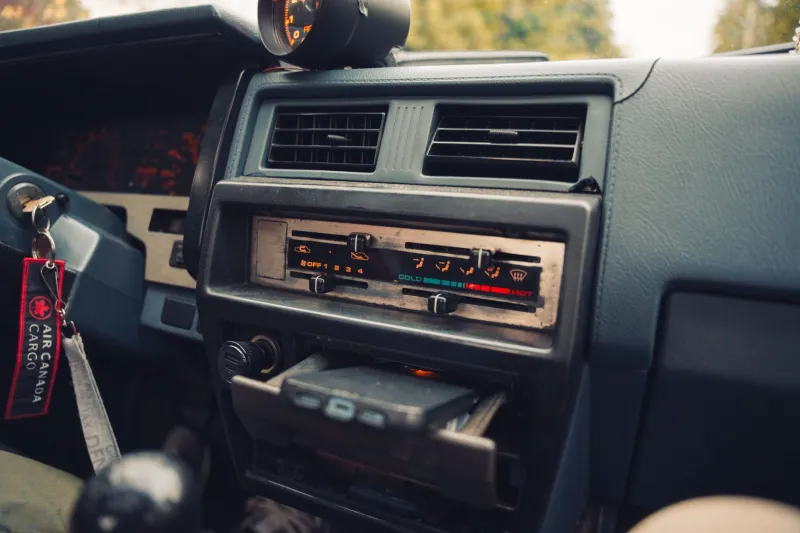
There's a particular sound that a cassette tape makes when it clicks into a deck. A soft, mechanical thunk — nothing dramatic, nothing digital. Just a little confirmation that something physical has happened, that you've committed to something. For a growing number of American drivers, that click has become one of the most satisfying sounds in their car.
Streaming didn't kill music. But somewhere along the way, it made music disappear into the background. It became wallpaper. And now, people are pushing back.
The Algorithm Problem Nobody Wanted to Admit
Spotify has 100 million tracks. Apple Music has more. And yet, ask a driver what they actually listened to on their last road trip, and they'll probably shrug. "Some playlist. I don't know. Whatever it recommended."
That's the tension at the heart of this whole analog revival. It's not really about audio fidelity — though plenty of enthusiasts will bend your ear about warmth and frequency response. It's about intention. When you load up a six-cassette changer or drop a needle on a record before a drive, you've made a choice. You've said: this is what this trip sounds like. The algorithm didn't decide. You did.
Marcus Trevino, a 34-year-old electrician from San Antonio, started hunting for cassette tapes two years ago after a long weekend drive left him feeling weirdly hollow. "I'd driven four hours and couldn't tell you one song I heard," he says. "It was all just... noise. Background noise I paid for."
He found a working tape deck at an estate sale, grabbed a handful of tapes from a thrift store for a dollar each, and hasn't looked back. His truck now has a dedicated spot in the center console for his current tape. "It's like picking out what shirt you're going to wear. It's a small thing, but it's mine."
Cassettes First, Then Something Stranger
The cassette resurgence has been building for a few years — sales have climbed steadily since the mid-2010s, with the Recording Industry Association of America confirming cassette revenue has more than doubled in recent years. But what's newer, and weirder, is the crossover into vinyl culture on the road.
Obviously, you can't drop a record onto a turntable at 70 mph. But drivers are finding workarounds. Bluetooth turntables at campsites and tailgates. Vinyl-to-digital transfers played through USB drives. Entire road trip playlists assembled by physically flipping through record crates at shops along the route — the music selected as part of the journey itself.
Kira Johannsen, a graphic designer from Minneapolis, treats record shopping as a travel ritual. "Every city I drive to, I find the local record store first," she says. "I buy something regional — local band, regional pressing, whatever. Then I rip it and listen to it on the drive home. It's like a souvenir that actually tells you something about where you were."
There's something deeply American about that impulse. The road trip as a collecting exercise. The drive as a way of accumulating experience that has weight and texture, not just timestamps.
The Dashboard as a Statement
Walk through any car show these days and you'll spot the tells. Factory cassette decks preserved and polished rather than replaced with touchscreens. Aftermarket tape adapters in modern cars. Handwritten track listings taped to visors. These are not the choices of people who forgot to upgrade. These are deliberate aesthetic and philosophical stances.
For some drivers, it connects directly to the cars themselves. A 1987 Jeep Cherokee with a working factory tape deck isn't just a cool old truck — it's a complete sensory package. The vinyl seats, the analog gauges, the slightly too-loud heater fan, and yes, the cassette of Tom Petty's Full Moon Fever that's been in there since 2019. Pull one thread and the whole thing unravels.
Dave Kowalski, who restores classic muscle cars outside of Detroit, puts it plainly: "You wouldn't put a flat-screen TV in a 1970 Chevelle. Why would you put a touchscreen in it? The tape deck is part of what that car is."
But it's not only the vintage crowd. Plenty of people driving perfectly modern vehicles are voluntarily adding cassette adapters or Bluetooth tape deck hybrids specifically because they want the ritual without sacrificing the reliability. The format is the point, not the hardware.
Minimalism, Nostalgia, or Something Else?
It'd be easy to write this off as nostalgia — Gen X reliving their mixtape years, millennials romanticizing a childhood they half-remember. And sure, that's part of it. Nobody's pretending otherwise.
But the drivers who've made analog audio a genuine practice will tell you it goes deeper than a vibe. It's about scarcity. A cassette holds maybe 45 minutes per side. A record album has maybe 22 minutes. Those constraints force choices. You can't just shuffle forever. You have to pick.
And picking — really picking, with intention and some skin in the game — turns out to be something a lot of people are hungry for in a world that keeps offering infinite options with zero friction.
The open road has always been about freedom. But freedom without limits isn't freedom — it's just noise. The drivers reaching for their tape cases before they back out of the driveway have figured something out: sometimes the best drives have a soundtrack you actually chose.
Click. Play.